Dimensions Guide
What Are Standard Pickleball Court Dimensions for Home and Pro Play?
Regulation court size, total space needs, kitchen dimensions, net height and layout tips for a backyard, home or commercial pickleball court.
Dimensions Guide
Regulation court size, total space needs, kitchen dimensions, net height and layout tips for a backyard, home or commercial pickleball court.
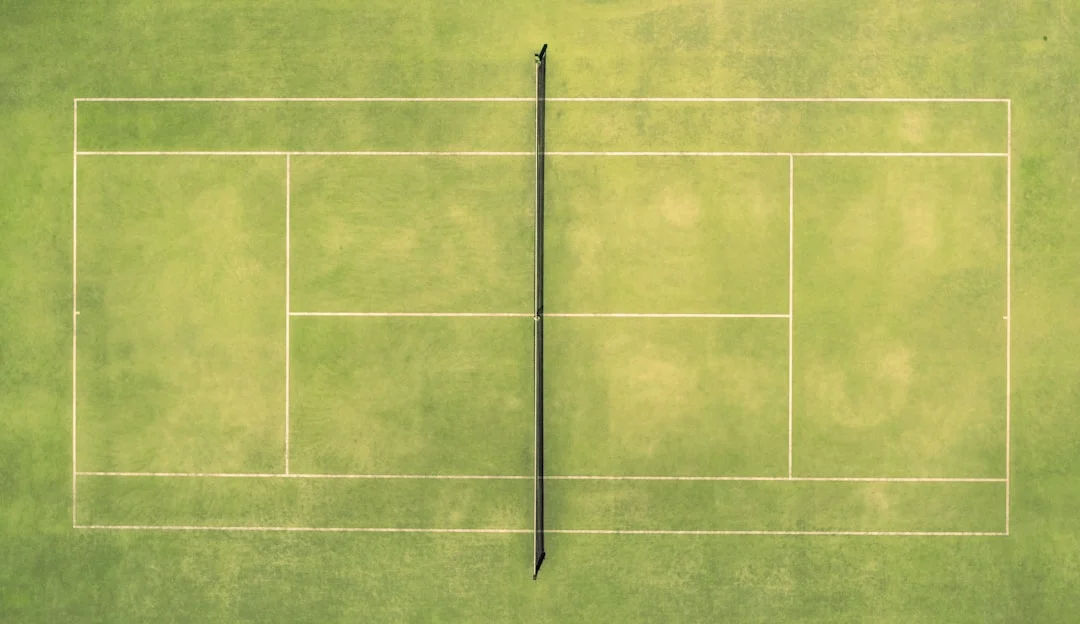
A regulation pickleball court measures 20 feet wide by 44 feet long (880 square feet) for both singles and doubles play. Because players need room beyond the lines, most installations use a total footprint of about 30 by 60 feet, or 34 by 64 feet for more comfortable movement and competitive play.
A regulation pickleball court is 20 feet wide, 44 feet long, and covers 880 square feet of playing surface, the same for both singles and doubles. But those painted lines are only part of the picture: players regularly step outside them to chase lobs, deep shots and wide-angle returns, so the total construction area should be larger. Most installations use roughly 30 by 60 feet for practical clearance, while 34 by 64 feet gives more comfortable room for competitive or frequent play.
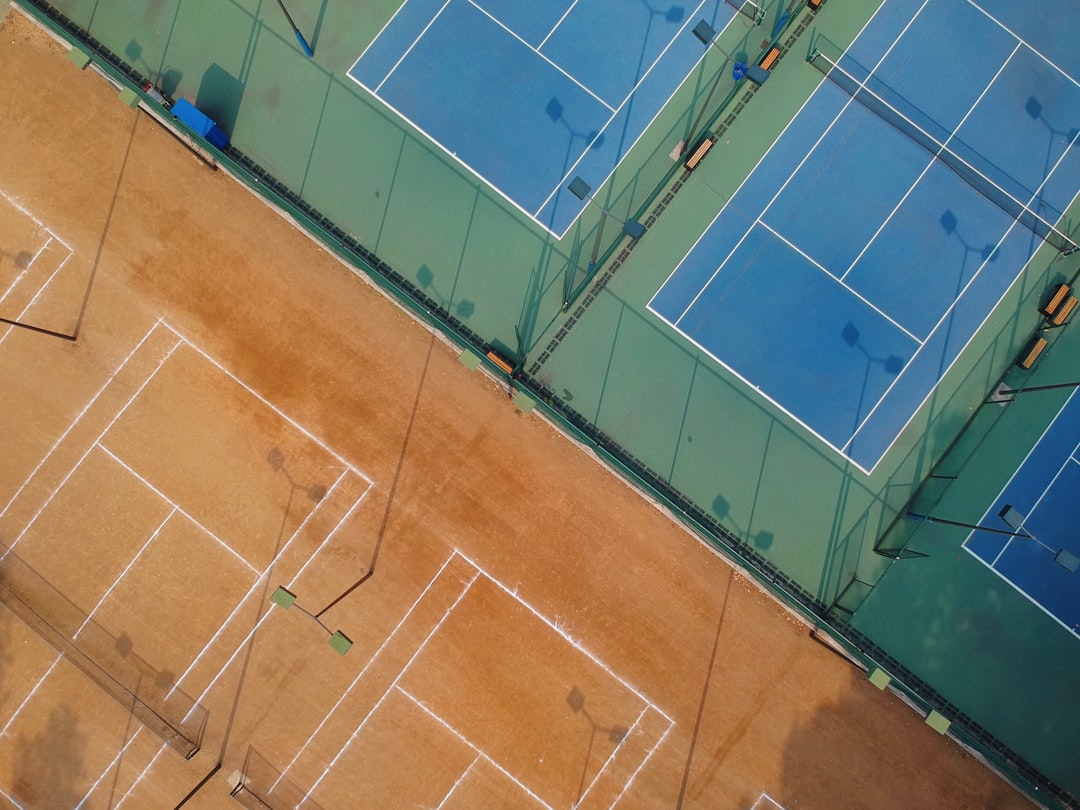
Available space is often limited on residential properties by property boundaries, walls, landscaping, pools, patios, fencing and existing structures. A professional site inspection is the best way to confirm whether your property can fit a full-size court plus safe surrounding clearance.
The non-volley zone, or \u201ckitchen,\u201d extends 7 feet from the net on each side, making each kitchen area 7 feet deep by 20 feet wide. Because players cannot volley the ball while standing inside this zone, precise line placement is essential. Even small measurement errors can create confusion over whether a player or ball is in or out.
A regulation pickleball net is 36 inches high at the sidelines and 34 inches high at the center, with that slight dip built into every standard court layout. Net-post placement, tension and center height should all be accounted for during design so the finished court performs consistently.
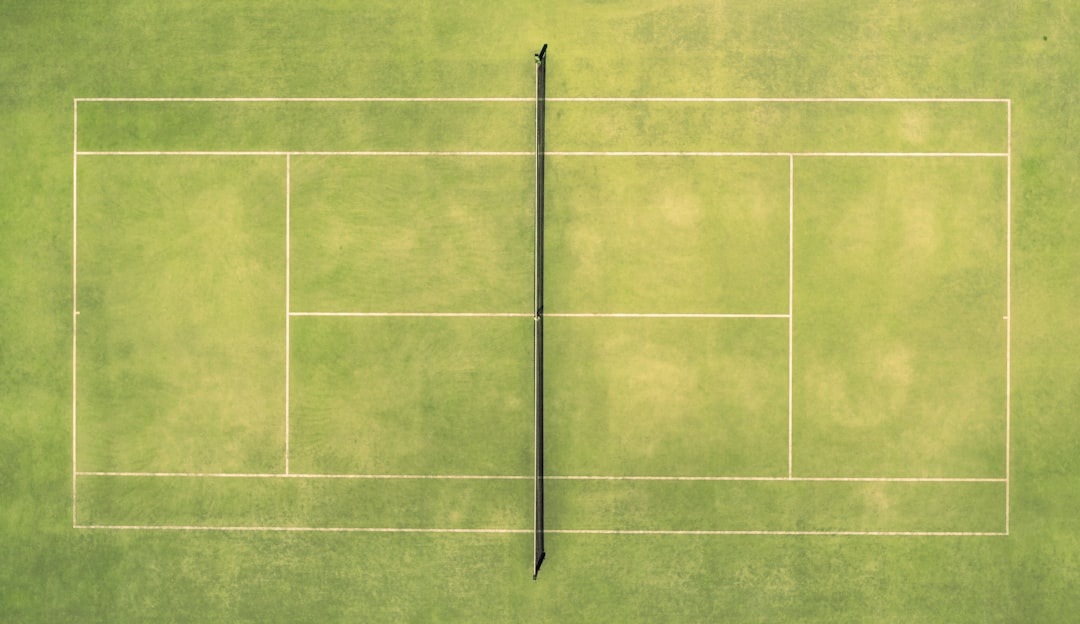
A regulation court includes baselines at each end, sidelines running the full 44-foot length, a centerline dividing the service areas, and the non-volley zone line 7 feet from the net. Court lines are generally 2 inches wide and should be clearly visible against the surface for accurate, regulation-style play. Orientation matters too. A roughly north-south layout is often preferred outdoors since it helps reduce players facing directly into low morning or evening sun, though lot shape, nearby structures, trees, drainage and access routes can all shift the ideal orientation for your property.
Contact Dink Pro Courts to discuss your space, court measurements, surface choices, fencing, lighting and installation needs.
For homeowners, available space is usually the first question. Here’s what shapes the answer.
A few extra feet behind each baseline meaningfully improves playability versus the bare 44-foot footprint.
Players move laterally outside the sidelines often, and side space also fits fencing, benches and lighting poles.
A full 20×44 ft court can still fit on tighter lots, though reduced clearance can affect comfort and safety.
Multi-court layouts need spacing between courts, perimeter clearance, gates, seating and traffic flow planning.
Dink Pro Courts plans regulation and custom pickleball court layouts throughout Maricopa County, balancing official dimensions with each property's available space, drainage and surrounding features.
A complete court plan goes beyond surface measurements. Fencing helps contain balls and define the recreational area; lighting should be positioned to extend playing hours while minimizing glare and shadows; seating and access gates need space that doesn’t interfere with active play; and drainage has to move water away from the court to prevent standing water and surface deterioration. Nearby trees, irrigation and landscaping can also affect long-term maintenance, so planning these features up front avoids costly redesign work later.
Accurate measurements affect far more than the final look. Court symmetry, service box sizes, kitchen placement, net positioning, player movement and fence clearance all depend on getting the layout right the first time, which is why professional striping and site planning matter at every step.
Standard pickleball court dimensions are 20 feet wide by 44 feet long. These measurements apply to both singles and doubles play.
A total area of approximately 30 by 60 feet can provide practical surrounding clearance. A larger 34-by-64-foot area may offer more comfortable movement around the court.
Yes. A pickleball court measures 20 by 44 feet for both singles and doubles matches.
The non-volley zone extends 7 feet from the net on each side. Because the court is 20 feet wide, each kitchen area measures 20 feet by 7 feet.
A regulation pickleball net is 36 inches high at the sidelines and 34 inches high at the center.
Yes. Many residential properties can accommodate a backyard pickleball court, provided there is enough room for the 20-by-44-foot playing surface plus safe surrounding clearance.
Yes. Dink Pro Courts can assess the available space, layout, surface conditions, access, drainage, and surrounding features to determine the most practical court configuration for your property.
Ready to construct your court? Contact Dink Pro Courts to discuss your space, court measurements, surface choices, fencing, lighting and installation needs.
Call or text (480) 493-0031, email build@dinkprocourts.com or submit the project form.