Court Color Guide
How Do Pickleball Court Colors Improve Design, Visibility, and Playability?
How to choose pickleball court colors for contrast, ball visibility, heat control, and a look that fits your property.
Court Color Guide
How to choose pickleball court colors for contrast, ball visibility, heat control, and a look that fits your property.
The right pickleball court colors improve visibility, clearly separate playing zones, and help the court blend into your property. Strong contrast between the playing area, kitchen, boundary lines, and surrounding surface is the goal. Color should be planned as part of the whole court design, not chosen last.
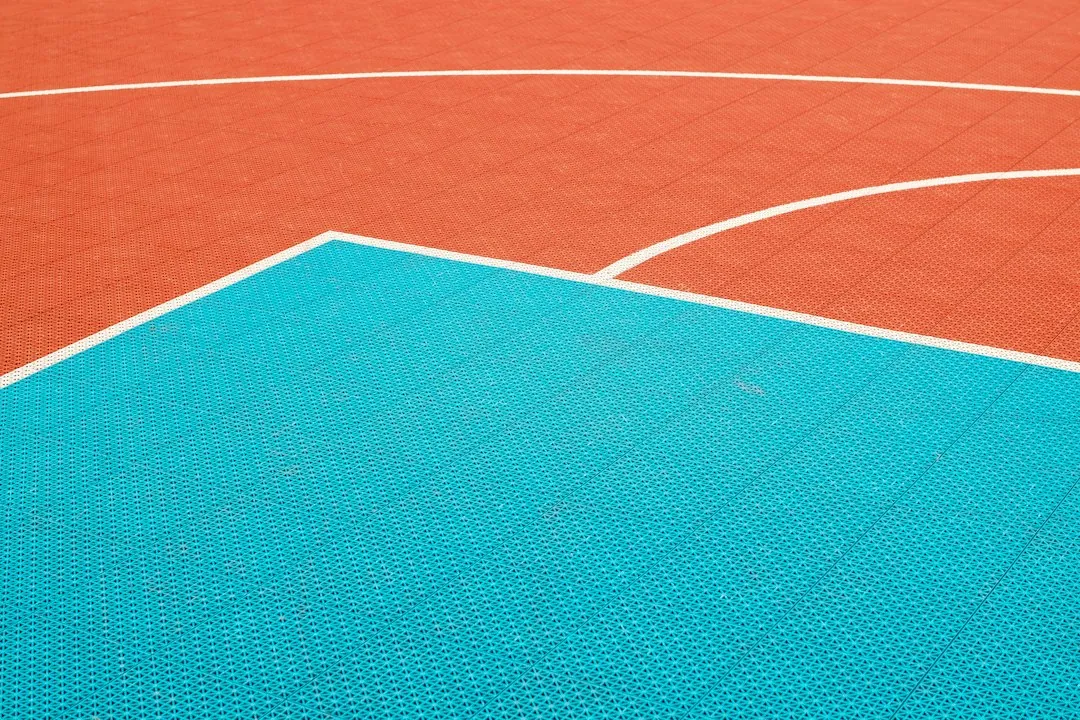
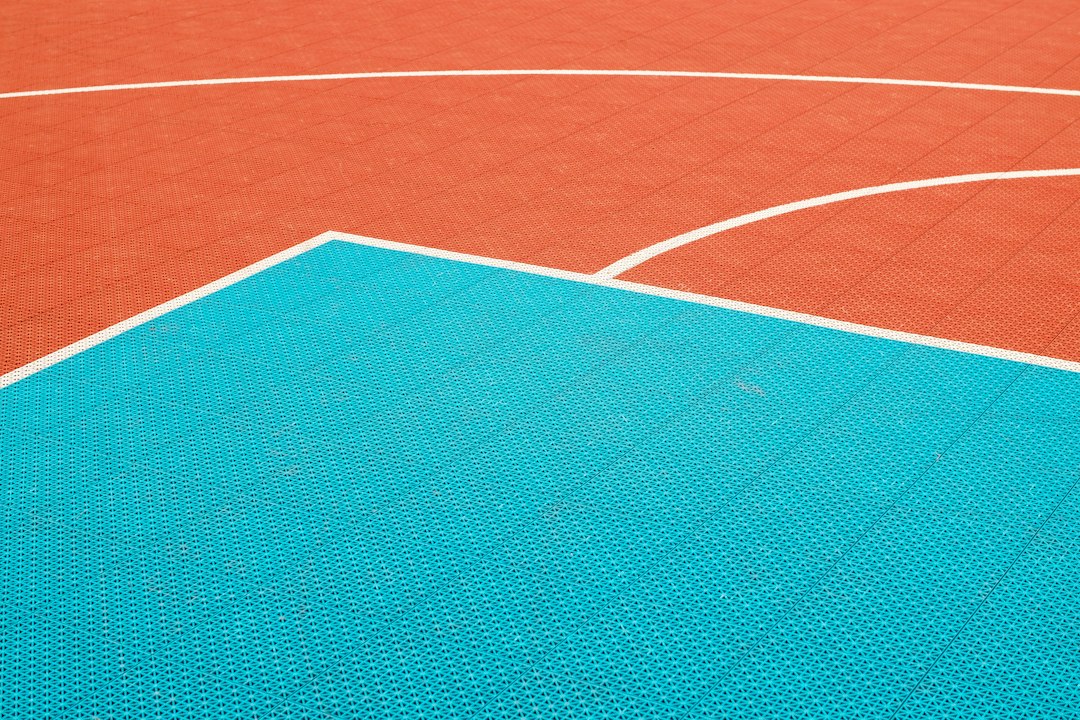
Court color is more than an aesthetic choice. It affects how well players can see the ball, the lines, and the different playing zones, and it shapes how the finished court looks in a residential, commercial, or recreational setting. The main playing area and kitchen should be visually distinct enough for players to read the layout at a glance, and boundary lines need to stand out clearly from the surface.
Pickleballs are typically orange, green, or bright yellow, so the court surface should offer enough contrast to keep the ball easy to track, since a bright yellow ball shows up better against darker blue or green surfaces than against a light or yellow-toned background. Lighting matters too: a color that looks great in full sun can read differently under evening or artificial court lighting, so ball color, court color, and lighting should all be planned together.
There’s no single right combination for every property, but these approaches balance visual contrast with a clean recreational look.
A darker blue playing area with green surroundings offers strong separation without looking overly bold.
Two shades of blue create a modern, coordinated look that suits contemporary homes and facilities.
Grey surroundings blend naturally with concrete, stone, and fencing while green keeps a traditional court feel.
A clean, modern pairing for homeowners who want the court to feel integrated with the outdoor space.
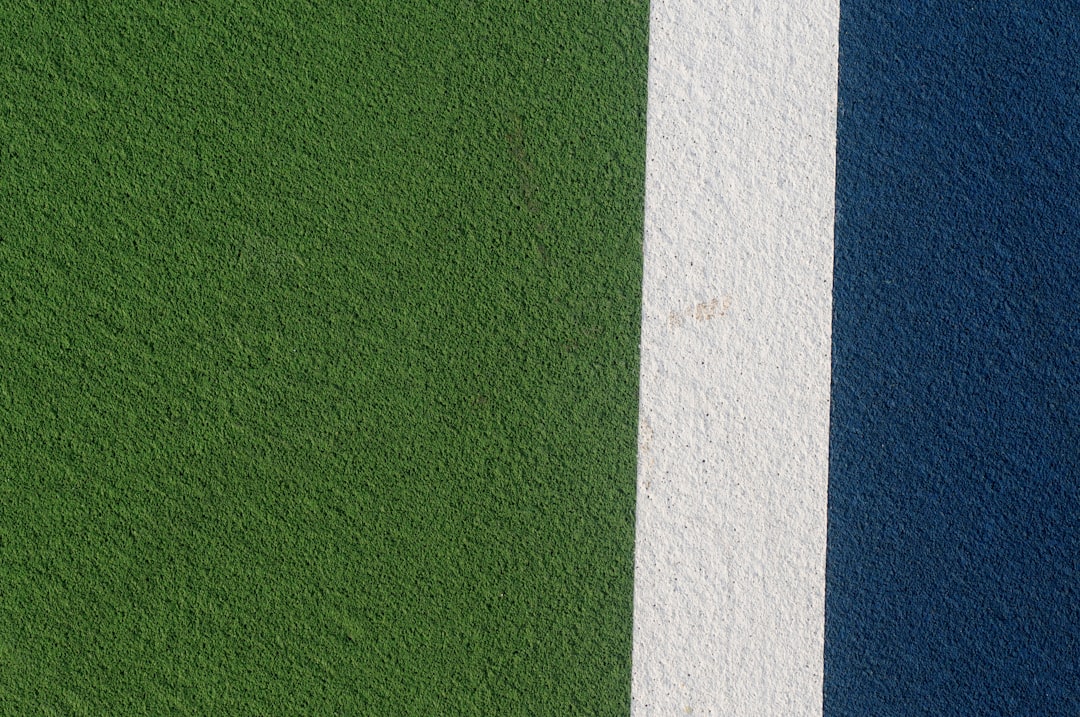
The kitchen (non-volley zone) can match the rest of the playing area or use a contrasting shade to stand out. A simpler design with two or three coordinated colors usually reads better than several competing shades. Court lines still need to be clearly visible, and white is popular because it contrasts well with darker court colors, though multi-sport courts often need additional line colors so pickleball, basketball, and tennis markings stay distinguishable.
Contact Dink Pro Courts to discuss your court layout, surface options, color combinations, resurfacing needs, and complete pickleball court design.
Court color can affect how a surface feels in direct sun, since lighter hues reflect more sunlight while darker surfaces absorb more heat, so local climate, shade, and time of use should factor into the decision alongside appearance. In a residential setting, color should also complement patios, pools, fencing, and the house itself, since the court becomes a visible feature of the property.
Dink Pro Courts helps residential and commercial properties throughout Maricopa County choose pickleball court colors that balance contrast, visibility, heat performance, and property style.
The best colors provide strong contrast between the playing area, lines, and surrounding zones while complementing the property. Blue, green, grey, and combinations of these colors are commonly considered.
Visibility depends on the ball color, lighting, and court surface. Bright yellow or green balls generally stand out better against darker or contrasting playing surfaces.
It can be. A contrasting kitchen color can help define the non-volley zone, although using the same color as the main playing area can create a cleaner appearance.
Yes. Residential and commercial courts can often use customized color combinations, provided the selected colors maintain sufficient contrast for court lines and gameplay.
Darker colors generally absorb more heat than lighter surfaces. Climate, shade, surrounding materials, and local conditions should therefore be considered when selecting colors.
White is widely used because it provides strong contrast on many court surfaces. Multi-sport courts may use additional line colors to distinguish between different sports.
Existing courts can often be resurfaced and recolored depending on their condition. The surface should first be assessed for cracks, wear, drainage problems, and other repair needs.
Pickleball court colors should be coordinated with the complete court design, including surface layout, fencing, lighting, landscaping, court lines, and surrounding recreational areas.
Contact Dink Pro Courts to discuss your court layout, surface options, color combinations, resurfacing needs, and complete pickleball court design.
Call or text (480) 493-0031, email build@dinkprocourts.com or submit the project form.