Backyard Court Design Guide
How Can You Design a Backyard Sport Court for Safe, Versatile Home Play?
Sizing, surfacing, drainage, fencing, lighting and multi-sport planning for a backyard court built to last in Arizona.
Backyard Court Design Guide
Sizing, surfacing, drainage, fencing, lighting and multi-sport planning for a backyard court built to last in Arizona.
A backyard sport court is a custom outdoor space built for pickleball, basketball or multi-sport play, combining the right dimensions, durable surfacing, drainage, fencing, lighting and clear markings. Plan the layout around your available space, preferred sports, player safety and long-term maintenance before construction starts.
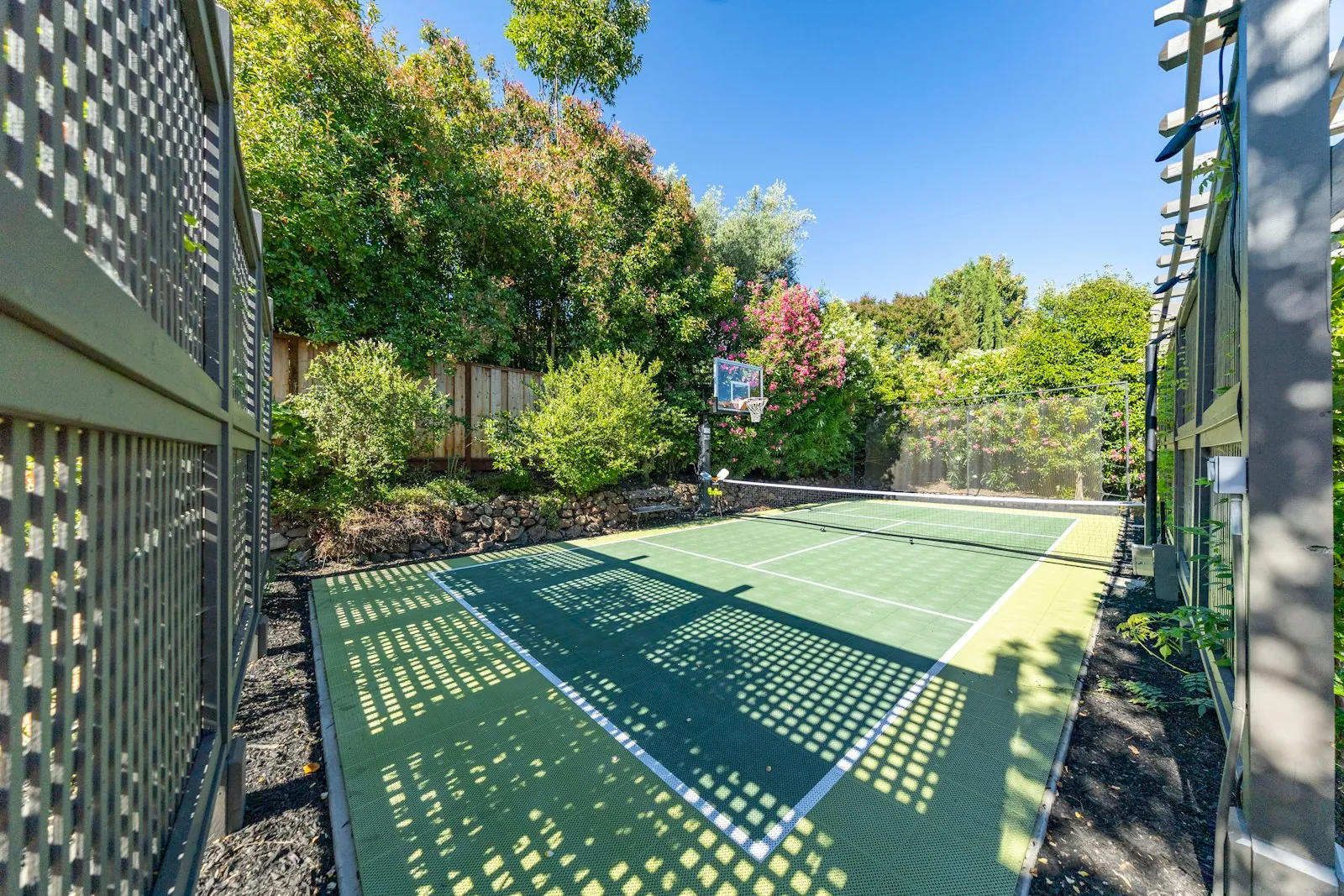
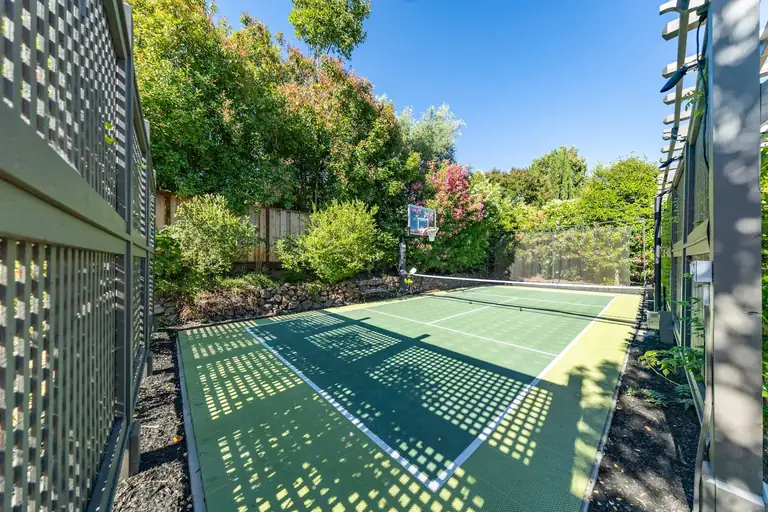
A backyard sport court is a dedicated recreational surface that can support pickleball, basketball, volleyball, multi-sport games, training or general family recreation, either built around one sport or designed with multiple line systems so different family members can use the same space. There’s no single standard size: the right dimensions depend on your available property, the sports being played, number of players, and how much room you want for fencing, lighting and seating. Short on space? A small backyard multi sport court like the Mini Court Game Center puts several games on one poured concrete slab.
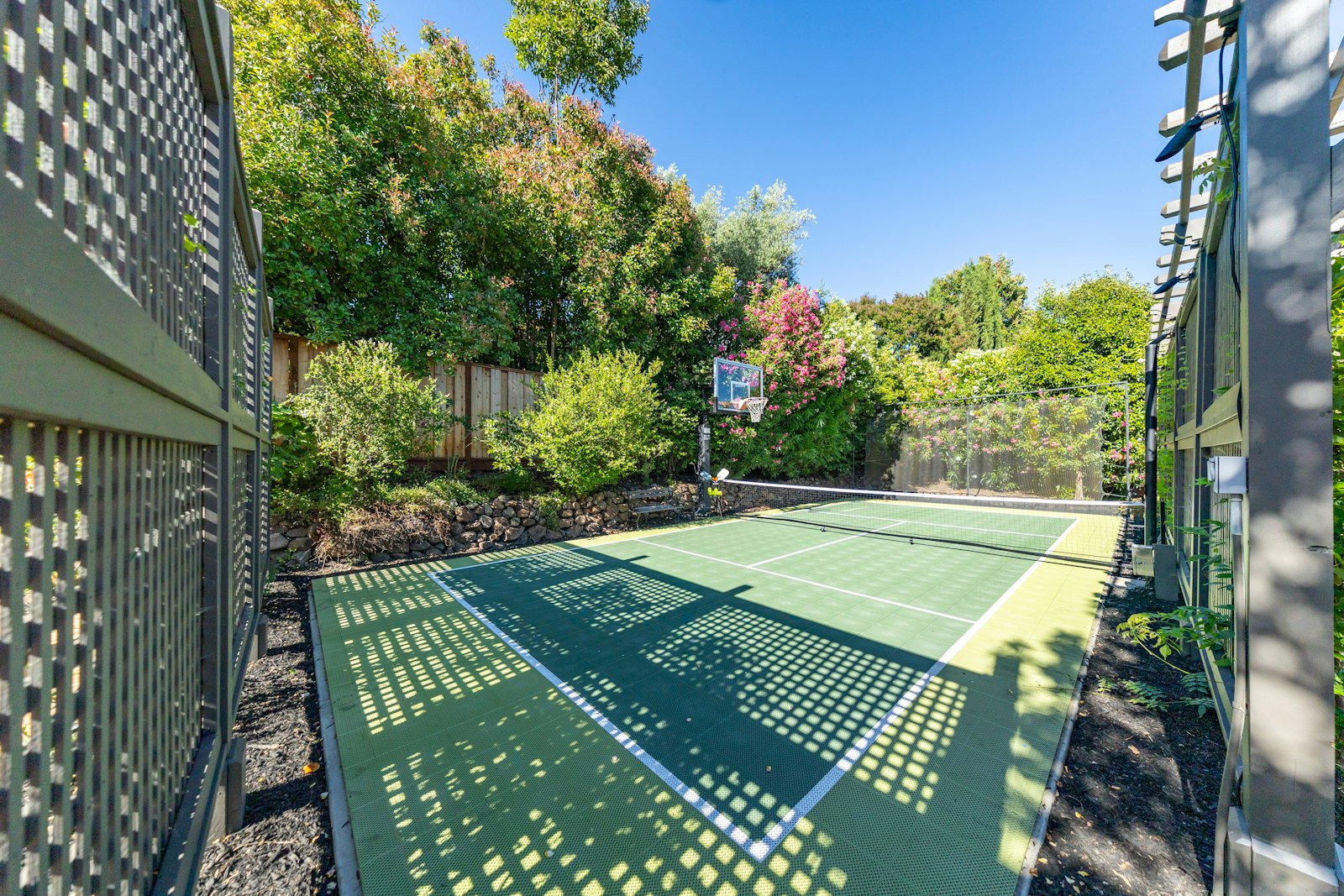
When planning the layout, measure the entire usable backyard rather than just where the playing lines will go. Account for player movement, fencing, gates, light poles, seating, landscaping and walkways too. For pickleball-focused projects, reviewing a pickleball court diagram helps visualize exactly where the sidelines, baselines, kitchen, service areas, centerlines and net should go before construction begins.
Concrete and asphalt are the most common base materials for backyard sport courts, typically finished with an acrylic sport-surface system for consistent traction, predictable ball response and clear markings. Dink Pro Courts builds on concrete only. Poor base preparation, including skipping excavation, grading, compaction or proper drainage planning, can eventually cause cracking, uneven areas, standing water and inconsistent ball bounce.
Drainage deserves particular attention: rainwater should flow away from the playing area instead of collecting on it, since standing water leads to slick conditions, surface wear and cracking over time. This matters even more when the court sits near patios, pools or retaining walls, where water movement needs extra planning.
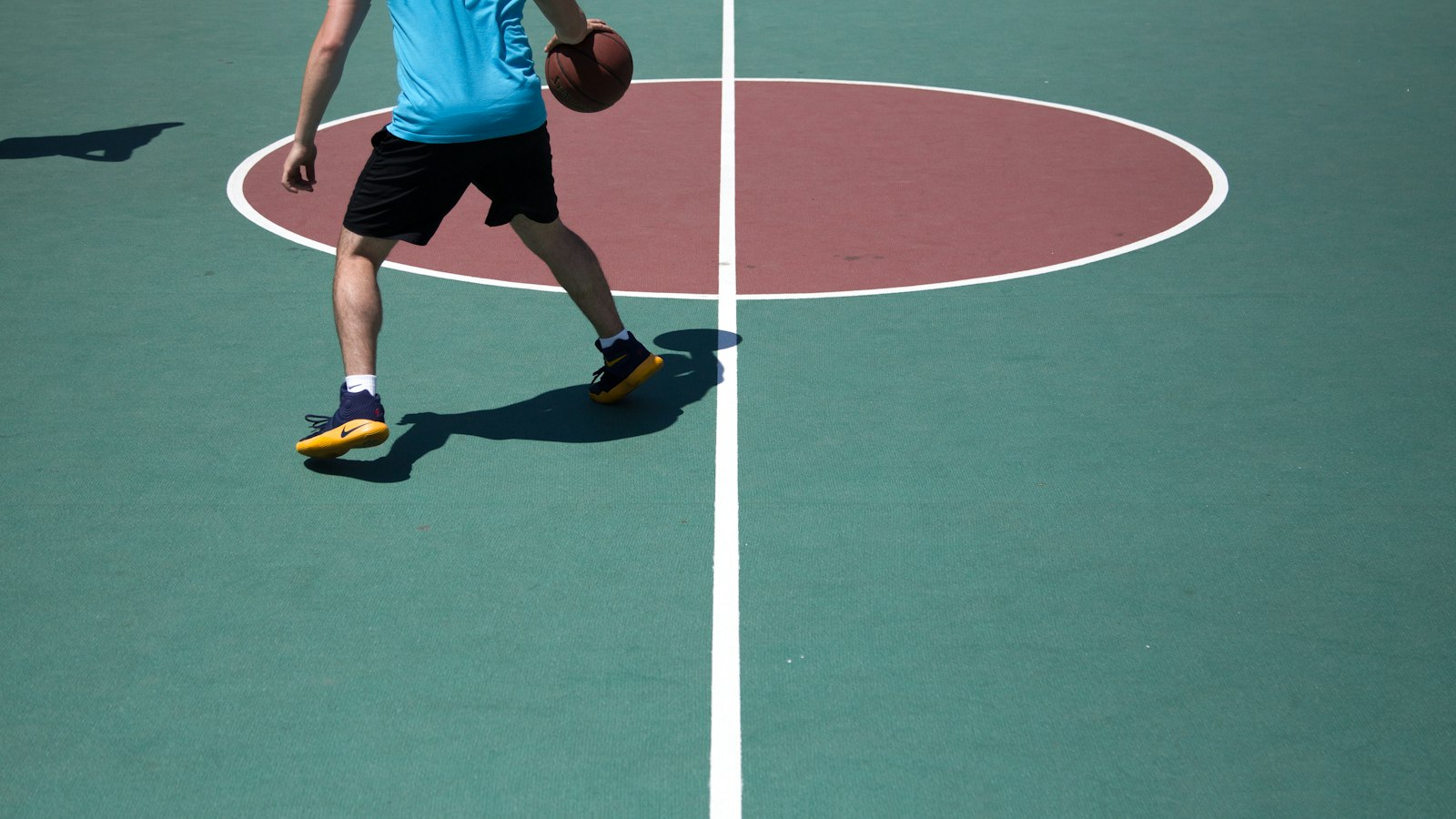
Fencing helps keep balls contained, define the recreation area and separate the court from landscaping, but it shouldn’t sit so close to the playing area that players run into it chasing shots. Fence height depends on the sports played, property layout and expected ball movement rather than a one-size-fits-all rule. Lighting can extend play into the evening with even visibility and minimal glare, dark spots or spill toward neighboring homes, and light poles should stay clear of active movement zones.
Dink Pro Courts can evaluate your property, plan the court footprint, and coordinate surface preparation, striping, fencing, lighting and resurfacing.
A few site conditions come up often when planning a backyard court.
Possible with careful planning around distance, wet surfaces, fencing, drainage and ball retrieval.
Can work if there’s sufficient room, a reasonable slope, good drainage and limited cracking after inspection.
A large existing concrete tennis court that is structurally sound can be resurfaced and restriped for pickleball, basketball or multi-sport use.
Keep falling leaves, tree roots and irrigation away from the playing surface and maintenance access. Planning the rest of the yard around the court in Phoenix or Scottsdale? See backyard sport court design in Phoenix and Scottsdale.
Dink Pro Courts builds custom backyard sport courts throughout Maricopa County, coordinating dimensions, surfacing, drainage, fencing, lighting and multi-sport design for every property.
A backyard sport court is a residential outdoor playing area designed for one or more activities such as pickleball, basketball, or other court sports.
Space requirements depend on the sports involved. A regulation pickleball court measures 20 by 44 feet, but a larger overall footprint is recommended for player clearance.
Yes. A multi-sport court can incorporate pickleball and basketball markings and equipment when the layout is carefully planned.
A pickleball court diagram shows the correct locations of the net, kitchen, baselines, sidelines, centerlines, and service areas, helping ensure accurate court markings.
Potentially. Existing concrete should first be evaluated for size, cracking, slope, drainage, and overall condition.
Fencing is not always required, but it can help contain balls and define the recreational space.
Lighting is useful for evening play. Fixtures and poles should be positioned to provide good visibility without interfering with player movement or nearby properties.
A concrete slab with a suitable acrylic sports coating. Dink Pro Courts builds on concrete only, usually post-tensioned, because it resists cracking in Arizona heat.
Yes. Dink Pro Courts can help plan residential courts based on available space, preferred sports, site conditions, surface requirements, fencing, lighting, and other custom features.
Contact Dink Pro Courts today to discuss your space, preferred sports, court dimensions, surface options, fencing, lighting, and custom construction needs. Want more room? See backyard tennis courts, or start with pickleball court design.
Call or text (480) 493-0031, email build@dinkprocourts.com or submit the project form.