Quick Connect

Home Court Planning Guide
Dimensions, site evaluation, drainage, surfacing, fencing and lighting: everything homeowners need to plan a home pickleball court built for Arizona’s climate.
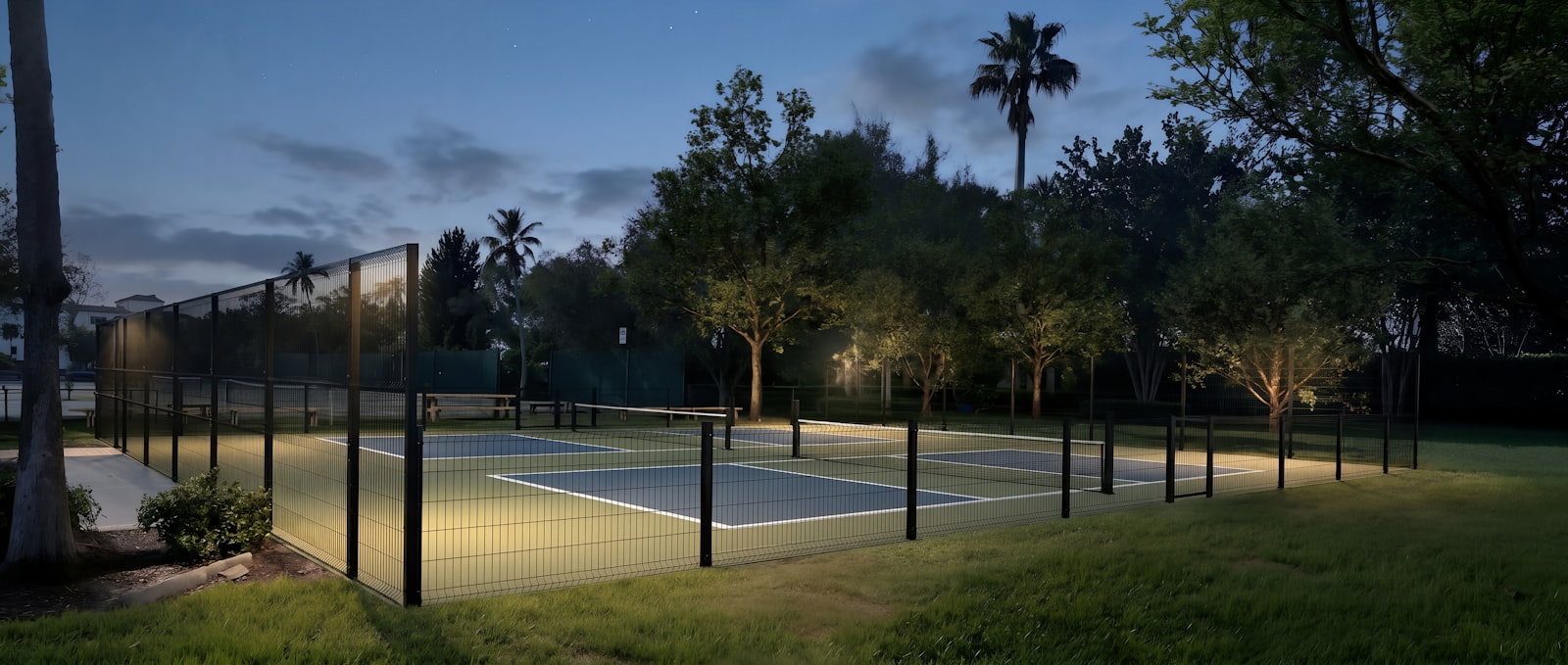
A well-planned home pickleball court starts with proper dimensions, a site evaluation for drainage and access, a durable base and acrylic surface, and thoughtful fencing and lighting choices, all sized to fit your property and how you’ll use the court. Dink Pro Courts, an experienced pickleball court builder Phoenix homeowners rely on, designs and builds custom home courts throughout the Phoenix, Arizona area.
There are numerous useful advantages to having a private backyard pickleball court. Homeowners can take pleasure in:
A private court may be advantageous just for regular players due to its convenience, and it can also support other leisure activities depending on how it’s designed.

The official pickleball playing court measures 20 feet wide by 44 feet long. However, those measurements only represent the marked playing area. Players need additional room outside the boundaries for movement.
A common recreational planning size is approximately 30 feet wide by 60 feet long, though some homeowners choose more space depending on their property and intended level of play. A professional pickleball court builder Phoenix contractor can evaluate the site and recommend a suitable layout based on available dimensions.

The selected area should provide enough room for the court and surrounding movement area.
The site should be evaluated for slope, stability, soil conditions and existing surfaces.
Water needs to move away from the playing area instead of collecting on the court.
Court orientation can influence whether players face direct sunlight during popular playing hours.
Pools, patios, homes, walls, trees and neighboring properties can affect court placement.
Contractors need sufficient access for equipment, materials and surface preparation.
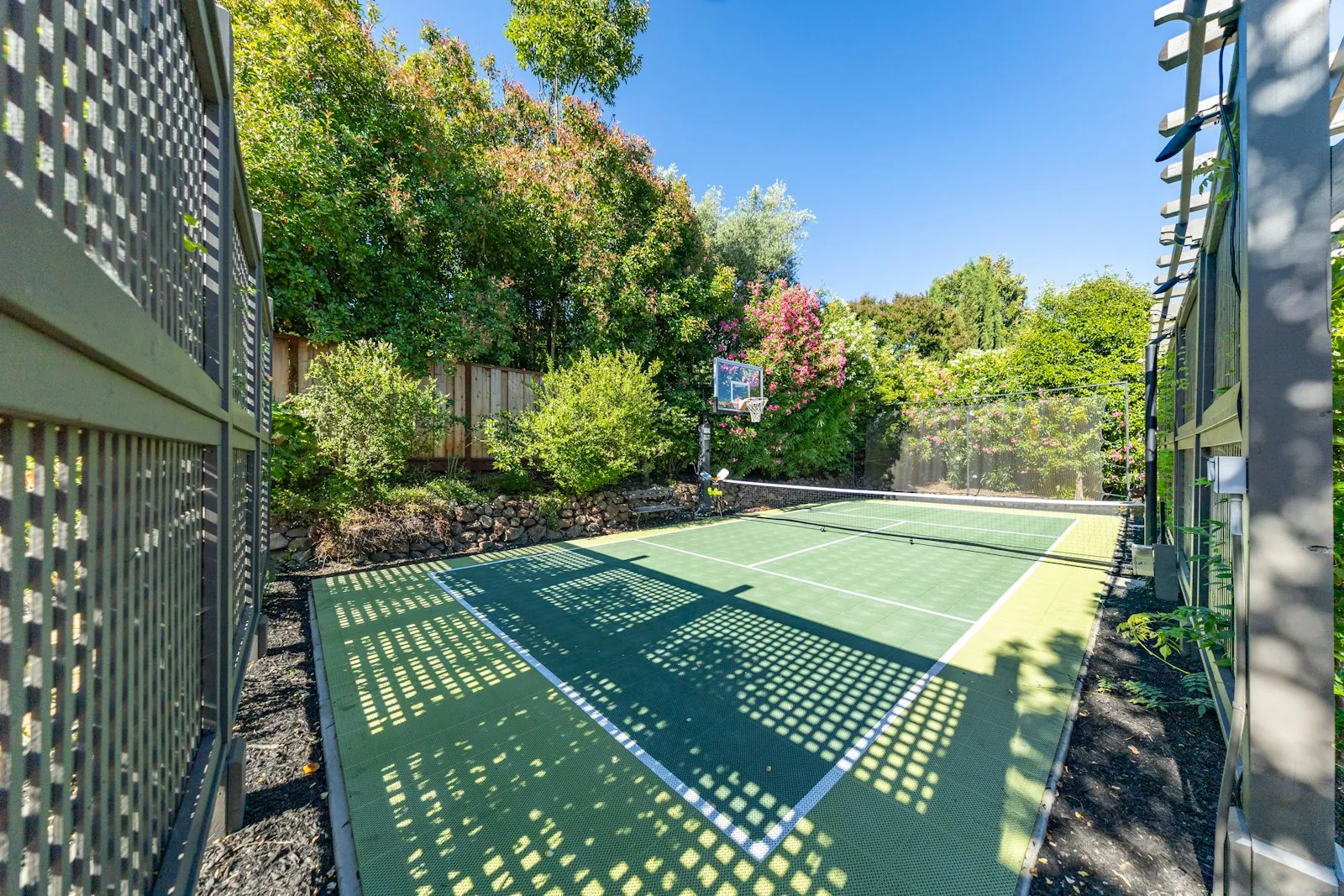
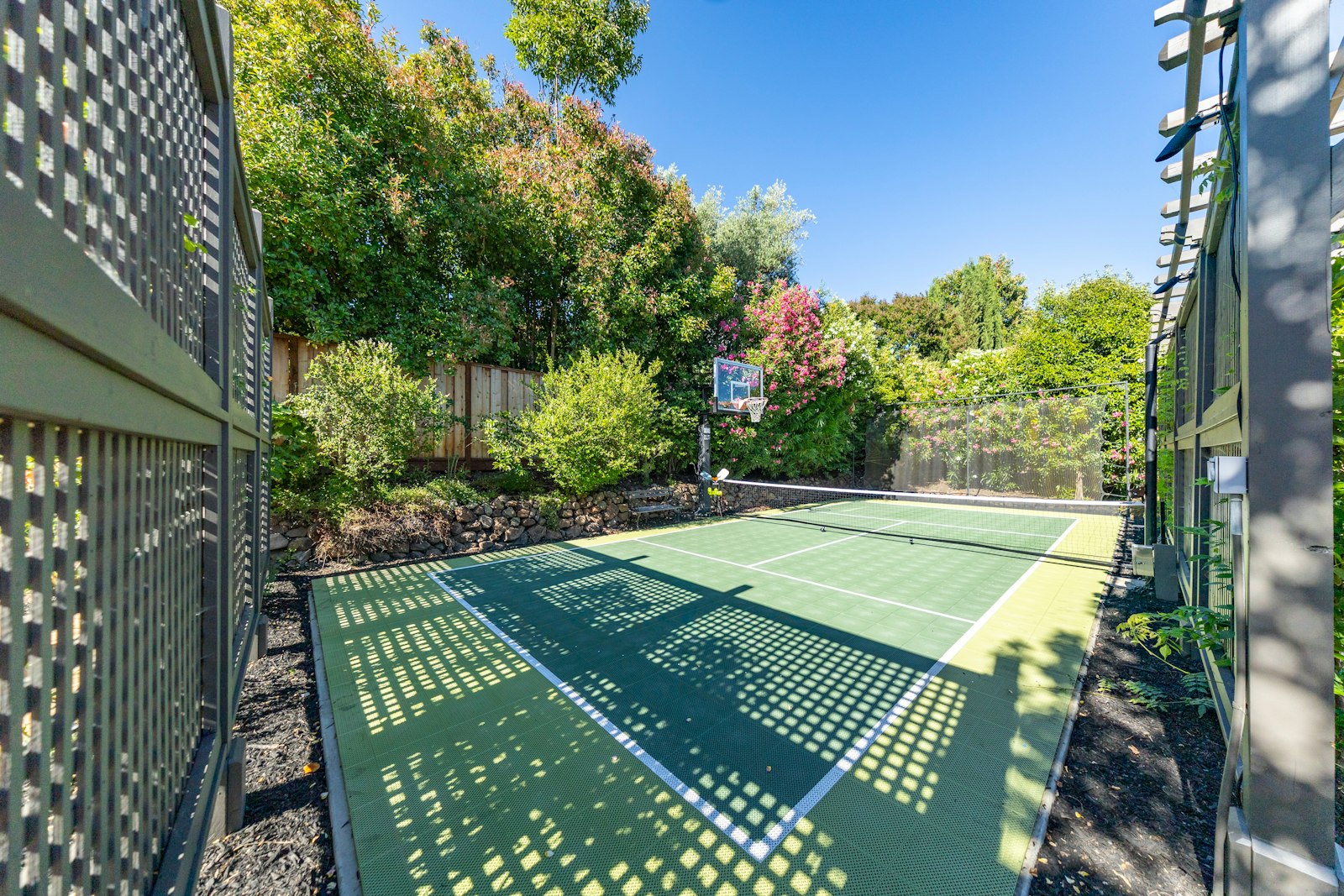
One of the advantages of building a private court is the ability to customize it. Possible features include:

A custom court can be designed to match both playing needs and the overall style of the home. Dink Pro Courts can help homeowners create layouts, often starting with our court designer, that combine performance, appearance and practical use.

Fencing is often one of the most useful additions to a residential court. It helps keep balls within the playing area and reduces interruptions, and is particularly useful when the court is close to pools, roads, landscaping or neighboring properties. Homeowners can choose fence height and style according to their property.
Lighting can extend the usable hours of your court, which is especially valuable in Phoenix, where evening or early-morning play may be more comfortable during warmer months. If lighting is part of your plan, it is usually better to include it during initial court design to simplify electrical planning and placement.
Several planning mistakes can reduce the quality of a residential court. The most frequent issues include:

A home court is a system, not just a painted surface. The foundation, drainage, surfacing, fencing and lighting all need to work together. Dink Pro Courts designs and builds custom home pickleball courts throughout Maricopa County, planned around each property's space and the family's intended use.
There is no single price for a home pickleball court because every project is different. Site condition, excavation, base construction, court dimensions, surface coatings, drainage, fencing, lighting, custom colors and access requirements all affect the final cost.
For a full breakdown of what drives pricing, see our pickleball court construction cost guide, then request a site evaluation for numbers specific to your property.

Budgeting for a home court? Start with what a backyard court costs in Arizona.
The official playing area is 20 feet by 44 feet, but additional space is recommended around the court for safer and more comfortable movement.
Yes, provided your property has enough usable space and suitable site conditions. Drainage, access, slope and nearby structures should also be considered.
A properly prepared concrete or asphalt base with sports-specific acrylic coatings is commonly used for residential pickleball courts. Dink Pro Courts builds on concrete only.
Fencing is not always required, but it is highly useful for keeping balls inside the playing area and protecting nearby landscaping, pools and neighboring properties.
Lighting is recommended if you want to play during evenings or early mornings. It can be particularly useful during warmer months in Phoenix.
Yes. Existing sports courts can often be converted after their surface condition, dimensions and drainage are evaluated.
There is no fixed schedule for every court. Usage, weather exposure, surface condition, drainage and maintenance all influence when resurfacing becomes necessary.
A professional builder understands sports court dimensions, drainage, base preparation, specialized coatings, fencing, lighting and local environmental conditions, helping improve overall court performance and durability.
Turn your backyard into a private recreational space with a professionally planned home pickleball court. Contact Dink Pro Courts to discuss your available space, preferred dimensions, surface options, fencing, lighting, colors and custom features.