Quick Connect

Court Design Guide
A practical guide to court location, dimensions, surfacing, drainage, fencing, lighting and color for a backyard pickleball court built around your property.
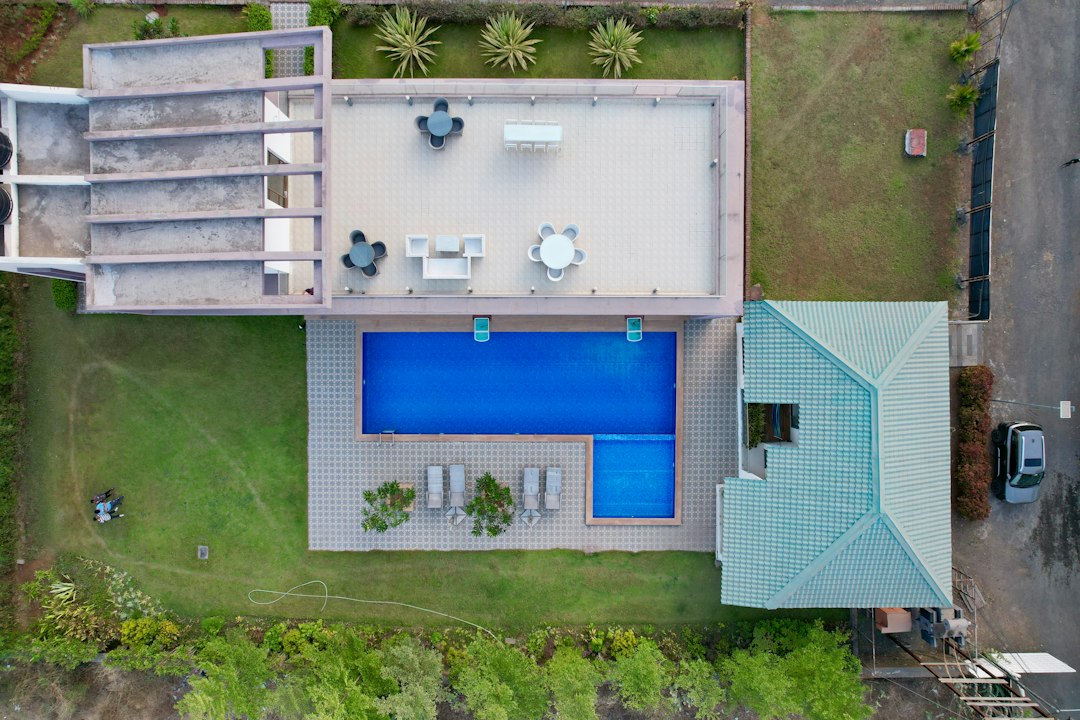
A strong pickleball court design starts with the property, not the paint. Choosing the right location, planning dimensions and surrounding clearance, preparing the surface and drainage correctly, and deciding on fencing, lighting and color up front all help create a backyard court that performs well and fits naturally into your outdoor space.
The final court’s quality is greatly influenced by where it sits on the property. The available area should be evaluated for size, slope, drainage, nearby buildings, trees and access before installation starts. A court placed too close to walls or landscaping can feel constricted, and poor drainage can damage the surface over time. Wherever possible, the court should blend into the backyard’s overall design rather than looking like an afterthought.

The marked pickleball playing surface is smaller than a tennis court, which is part of why it works so well in home settings, but the painted lines are only one part of the design. Players also need enough room outside the lines to move safely and retrieve balls, so this surrounding clearance should be planned from the very start, alongside whether an existing backyard tennis court could later be reconfigured or lined for multi-sport use.
The court surface directly affects how the game plays. A well-prepared base gives the finished surface a steady, reliable platform, since cracks, uneven patches, poor drainage and surface wear can all affect ball bounce and player movement. The coating system should be chosen for outdoor durability and playing performance, offering steady traction without being overly coarse.
Drainage is easy to overlook during early planning, but it has a major impact on long-term performance. Water should flow away from the play area instead of collecting on the surface, since standing water can cause premature damage and limit when the court can be used. A professionally designed court accounts for the property’s grade, surrounding landscaping and local drainage conditions from the outset, rather than trying to fix water issues after installation.


Fencing makes a residential court more usable, reducing disruptions during play and helping keep balls inside the court. Its height, placement and style should reflect the property and expected use, which matters even more on smaller yards where fencing helps separate the court from roads, gardens, patios and pools without making it feel overly enclosed. Lighting can significantly extend a backyard court’s usable hours, and the layout should provide even coverage with minimal glare, since poorly placed fixtures can cast shadows or make it harder to track the ball.
A pickleball court isn’t out of reach on a smaller property, and it doesn’t have to stand alone if you already have other courts.
Smaller yards can work well with a scaled-back recreational design instead of a full competition-style layout.
The court should be built around your actual site conditions, not a standard plan forced into an inappropriate space.
An existing backyard tennis court can often add pickleball markings and nets after its surface is inspected for cracks and wear.
A dedicated court is built purely around pickleball, while a multi-sport layout combines it with tennis, basketball or other activities.
Dink Pro Courts designs residential and commercial pickleball courts throughout Maricopa County, coordinating site evaluation, dimensions, surfacing, drainage, fencing, lighting and color into one cohesive plan for every property.
Performance matters, but appearance counts too, since the court should complement the property rather than clash with it. Contrasting surface colors between the playing area and surrounding zones can make court lines easier to see during play, whether you prefer a classic sports-court look or something more subtle that fits your architecture and landscaping.
Even a well-built court needs upkeep. Regular removal of leaves, dust and debris, along with routine checks for cracks or wear and clear drainage areas, helps protect the investment. Resurfacing may eventually be needed to refresh appearance, traction and line visibility, keeping the court enjoyable for years to come.

The most important factor is proper planning. Available space, court dimensions, surface preparation, drainage, access, fencing, and intended use should all be considered before construction begins.
Possibly. The available dimensions and surrounding clearance need to be assessed first. Some properties may be better suited to a compact recreational court rather than a full-size installation.
Yes, many existing tennis courts can support pickleball markings or a multi-sport layout. The existing surface and dimensions should be inspected before making changes.
A stable, properly prepared hard surface with a suitable sports coating is commonly used. The final system should provide consistent ball response, traction, drainage, and outdoor durability.
Fencing is not always mandatory for residential use, but it can make play more convenient by containing balls and separating the court from surrounding areas.
Lighting is optional, but it can make the court much more useful during evenings. A professional lighting layout should provide even coverage while reducing glare and excessive spill.
Yes. A backyard tennis court can often be configured for both sports using additional line markings and suitable net arrangements, creating a versatile multi-sport space.
Dink Pro Courts can help evaluate your available space, intended use, surface needs, drainage, fencing, lighting, and other design considerations to create a court layout suited to your property.
Contact Dink Pro Courts to discuss your pickleball court design and explore the right layout, surface, fencing, lighting and multi-sport options for your property.