Backyard Court Guide
Backyard Tennis Court Construction in Arizona
A practical guide to site evaluation, drainage, base construction, surfacing, fencing and lighting for building a private backyard tennis court that performs for years.
Backyard Court Guide
A practical guide to site evaluation, drainage, base construction, surfacing, fencing and lighting for building a private backyard tennis court that performs for years.
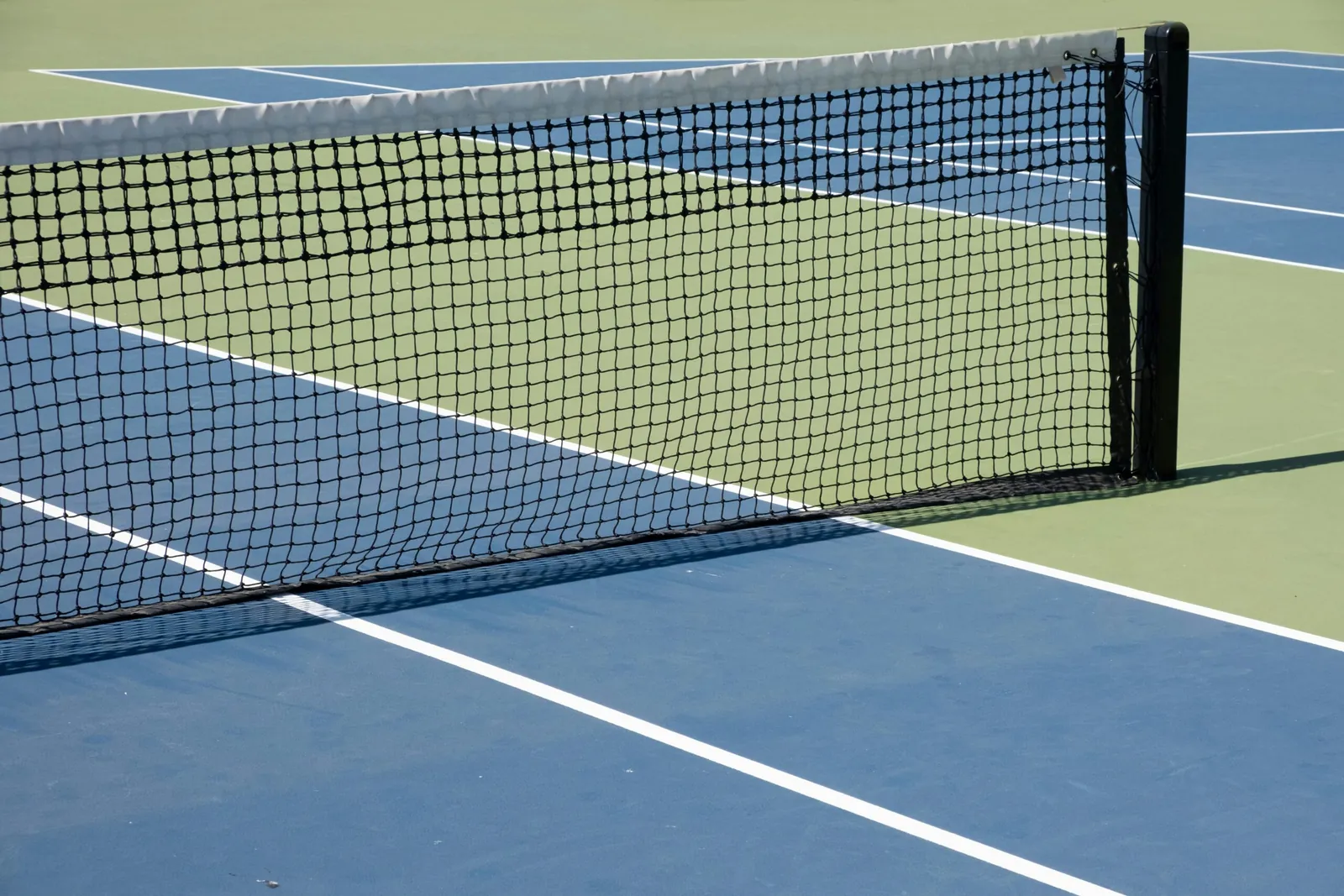
Planning a backyard tennis court in Arizona? A custom backyard tennis court transforms unused outdoor space into a private, on-demand place to practice, play and stay fit. With the right site evaluation, drainage, grading, base construction, acrylic surfacing, fencing and lighting, Dink Pro Courts can build a residential tennis court sized and designed around your property, playing preferences and long-term recreational goals.
An underused outdoor space can be turned into a useful leisure area that can be used for years with the addition of a private tennis court. Homeowners can play whenever it suits their schedule, eliminating the need to plan court time or drive to a club. A well-designed court can facilitate competitive practice, skill development, fitness regimens, coaching sessions and informal family games.
When strategically incorporated with landscaping, lighting, seating, fence and other outdoor amenities, a backyard tennis court can also become a focal point of a residential property. But it takes much more than just pouring concrete and painting lines: planning and construction quality have a major impact on long-term performance.
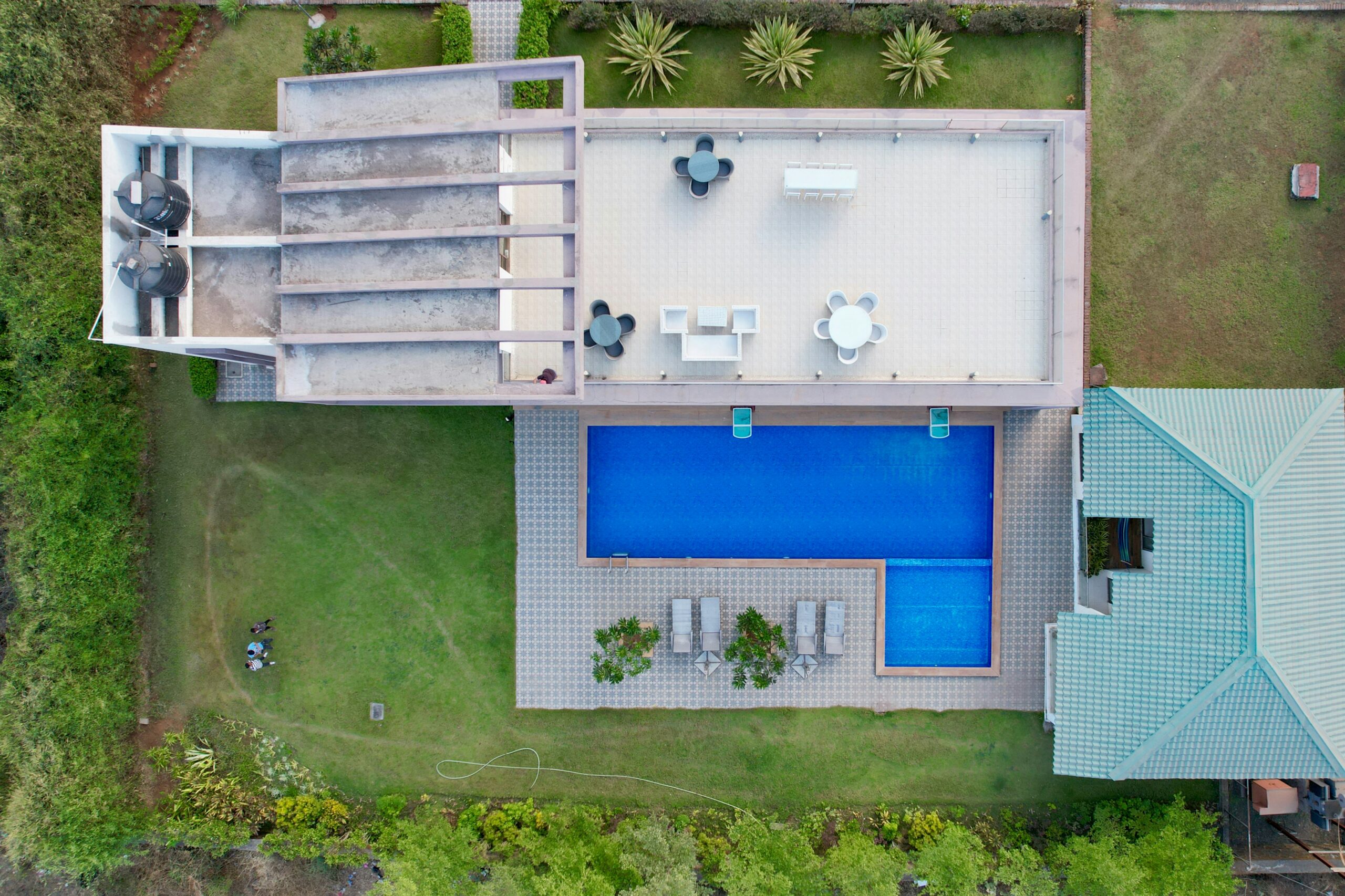
Every residential property is different. Before construction starts, several factors should be evaluated to determine whether the proposed location is suitable:
Trees, utility lines, drainage systems, structures, property boundaries and landscaping should also be considered before the final location is determined.
A professional site assessment examines available dimensions, ground conditions, existing slopes, access for equipment, drainage requirements, nearby structures, utility locations, fencing options and lighting possibilities to determine the most appropriate construction plan.
The site is prepared through excavation, vegetation removal, grading, soil preparation and compaction as needed. Weaknesses underneath the court can eventually lead to surface movement and cracking, so building a solid foundation is crucial.
A tennis court needs a stable base. Dink Pro Courts builds on concrete only, with the slab designed around local weather, soil conditions, the desired surface system and maintenance expectations.
Once the base has sufficiently dried, the sports surface system is fitted. Residential outdoor courts frequently use acrylic sport coatings for a balance of playing performance, color adaptability and durability.
Request a property review from Dink Pro Courts. We'll evaluate your available space, drainage and layout, then provide a written, itemized proposal before any work begins.
Building a backyard tennis court gives homeowners an opportunity to choose a design that complements their property. Traditional green and blue combinations remain popular, but other color schemes may also be available. When selecting colors, homeowners may want to consider:
The playing area and surrounding zones can use contrasting colors to improve visual clarity, and Dink Pro Courts can help property owners select a professional color combination that works well with the surrounding outdoor environment.
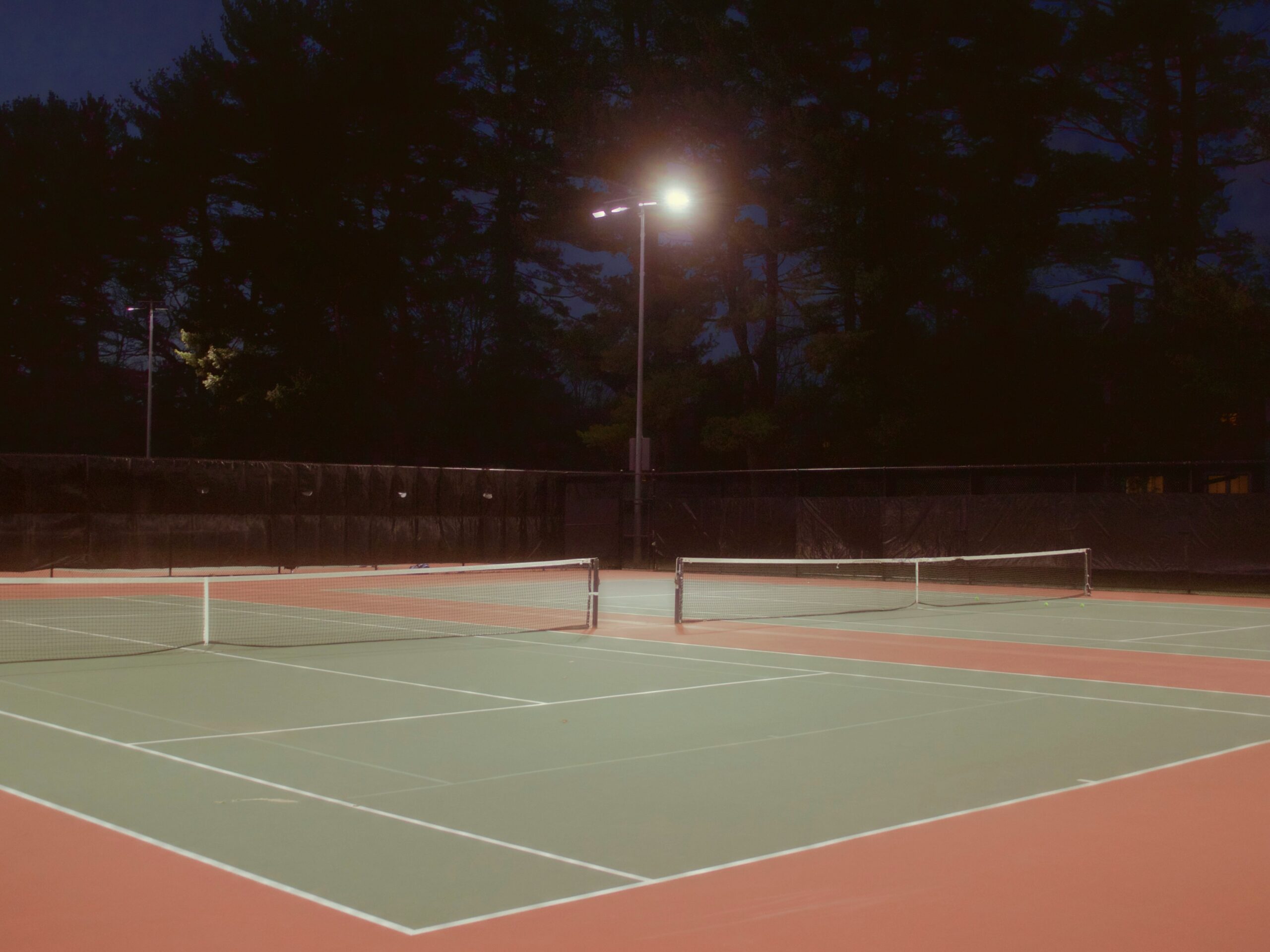
Fencing helps keep balls within the playing area, and lighting allows homeowners to extend playing hours into the evening. Common considerations include:
Planning lighting during the initial construction process is generally more efficient than adding it after the court has been completed.
Some homeowners want more flexibility than a tennis-only court can provide. A properly designed recreational area can sometimes accommodate multiple activities, such as tennis, pickleball, backyard basketball, volleyball and general fitness activities. This can be especially useful for families where different members enjoy different sports.
Additional game lines should be planned carefully so they remain visible without making the court confusing. Dink Pro Courts can help determine whether a dedicated tennis layout or multi-sport configuration is better suited to your property.
Public courts can be a good recreational resource, but availability can depend on location, weather, events, league schedules and peak playing hours. A private backyard tennis court offers several advantages:
A backyard court also removes the wait tied to Arizona’s busy public court schedules during peak seasons.
Construction timelines and total investment vary from project to project. Important factors include:
When comparing contractors, homeowners should look beyond the initial price: construction quality, surface preparation, drainage planning, materials, workmanship and long-term durability significantly influence the true value of the project.
Even professionally constructed courts require routine maintenance. Basic maintenance can help preserve appearance and playing performance:
Signs that resurfacing may be needed include significant color fading, worn playing areas, surface cracking, reduced traction and inconsistent ball response.
Backyard tennis court projects involve site evaluation, drainage, base construction, surfacing, fencing and lighting, and every property presents different opportunities and challenges. Dink Pro Courts builds custom residential tennis courts throughout Maricopa County, tailoring the construction approach to each property's layout, sun exposure and drainage needs rather than a one-size-fits-all design.
A tennis court is a substantial outdoor construction project. Poor grading, inadequate drainage, unstable base preparation or incorrect surfacing can lead to premature deterioration. Professional tennis court construction helps ensure that each component works together, because the finished surface is only as reliable as the foundation underneath it.
Dink Pro Courts specializes in professional sports court construction, resurfacing, repair and customized recreational court solutions. For residential property owners, the focus is on creating courts that combine dependable performance with practical design and long-term durability across site evaluation, layout planning, drainage, surfacing, fencing, lighting, repairs and multi-sport configurations.
Building in Paradise Valley? See backyard court installation in Paradise Valley.
A backyard tennis court in the Phoenix area needs more room and more planning than a pickleball court. What to know first:
Short on space? A backyard pickleball court fits in about a quarter of the area, or ask about lining a tennis court for both sports. In Paradise Valley, see backyard court installation in Paradise Valley.
The amount of space required depends on whether you want a regulation-size court or a modified residential design. In addition to the marked playing area, adequate space should be provided beyond the sidelines and baselines for safe player movement.
Possibly. Properties without enough space for a full regulation court may support a reduced-size practice court, recreational court, or multi-sport configuration. A professional site evaluation can determine what is practical.
The best surface depends on climate, budget, maintenance expectations, desired playing characteristics, and the existing property. Acrylic-coated asphalt or concrete systems are commonly used for residential outdoor tennis courts, and Dink Pro Courts builds on concrete only.
Yes. Proper drainage is a critical part of tennis court construction. Water accumulation can contribute to surface damage, cracking, low spots, and reduced court availability.
Yes. Many residential tennis courts can incorporate pickleball lines or be designed as multi-sport courts. The layout should be planned carefully to maintain clear and functional game markings.
Yes, subject to property conditions and local requirements. Professional lighting can extend playing hours and provide more consistent visibility during evening matches.
Regular cleaning, debris removal, drainage monitoring, crack inspection, and periodic professional assessments can help maintain the court. Resurfacing may eventually be required as coatings wear.
Dink Pro Courts provides professional sports court construction, surfacing, repair, and customized recreational court solutions. Contact the team to discuss your property, desired court features, and backyard tennis court construction requirements.
The doubles court lines are 36 ft x 78 ft. A comfortable residential court usually needs about 60 ft x 120 ft including run-off.
Usually north-south, so low morning and evening sun stays out of players' eyes.
Ready to turn your unused outdoor space into a private place for tennis, exercise, family recreation and competitive play? Contact Dink Pro Courts to discuss your backyard tennis court project. Our team can evaluate your available space, construction needs, surface options, fencing, lighting and other features to help develop a court designed around your property and playing goals.
Call or text (480) 493-0031, email build@dinkprocourts.com or submit the project form.